If you price your Pleasanton home by a citywide average alone, you could miss what buyers are really paying attention to. In this market, location, home type, condition, and lifestyle appeal can shift value more than many sellers expect. The good news is that once you understand Pleasanton’s micro-markets, you can make smarter pricing, prep, and marketing decisions. Let’s dive in.
Pleasanton Is Not One Uniform Market
Pleasanton often acts more like a collection of smaller markets than one simple resale market. The city’s housing mix helps explain why. Bay East reports 79,871 residents, 26,053 housing units, and a housing stock that is 75.7% single-family detached, so detached-home trends carry a lot of weight in the local conversation.
Even then, citywide numbers only give you a starting point. Redfin’s April 2026 three-month snapshot showed a median sale price of $1,476,737, 14 days on market, and 4 offers on average, while Realtor.com’s March 2026 snapshot showed a median listing price of $1,467,500 and 26 median days on market. Those figures are useful, but they are not interchangeable because they measure different things over different time frames.
For sellers, that means broad averages can point you in the right direction, but they should not set your final strategy. A downtown-adjacent home, a westside property with views, and an east-side tract home may all attract different buyers and move at different speeds.
Why Micro-Markets Matter to Your Sale
Buyers do not shop Pleasanton as one giant bucket of inventory. They compare your home to nearby alternatives that offer a similar setting, lifestyle, lot type, and level of updates. That is why the most useful pricing approach is usually same-source, same-type, same-neighborhood comps.
Local lifestyle also plays a real role in value. The City of Pleasanton highlights 46 community and neighborhood parks, more than 60 miles of trails, over 700 acres of open space, a historic downtown, and transit access that includes two BART stations and the ACE rail station near downtown. Buyers are often weighing everyday convenience and location benefits just as much as bedroom count.
That is especially important in a place like Pleasanton, where one part of town can appeal to walkability-focused buyers and another can attract buyers who care more about privacy, views, or move-in-ready finishes. When your sale strategy reflects those differences, your home is easier for buyers to understand and value.
Downtown-Adjacent Homes Need a Lifestyle Story
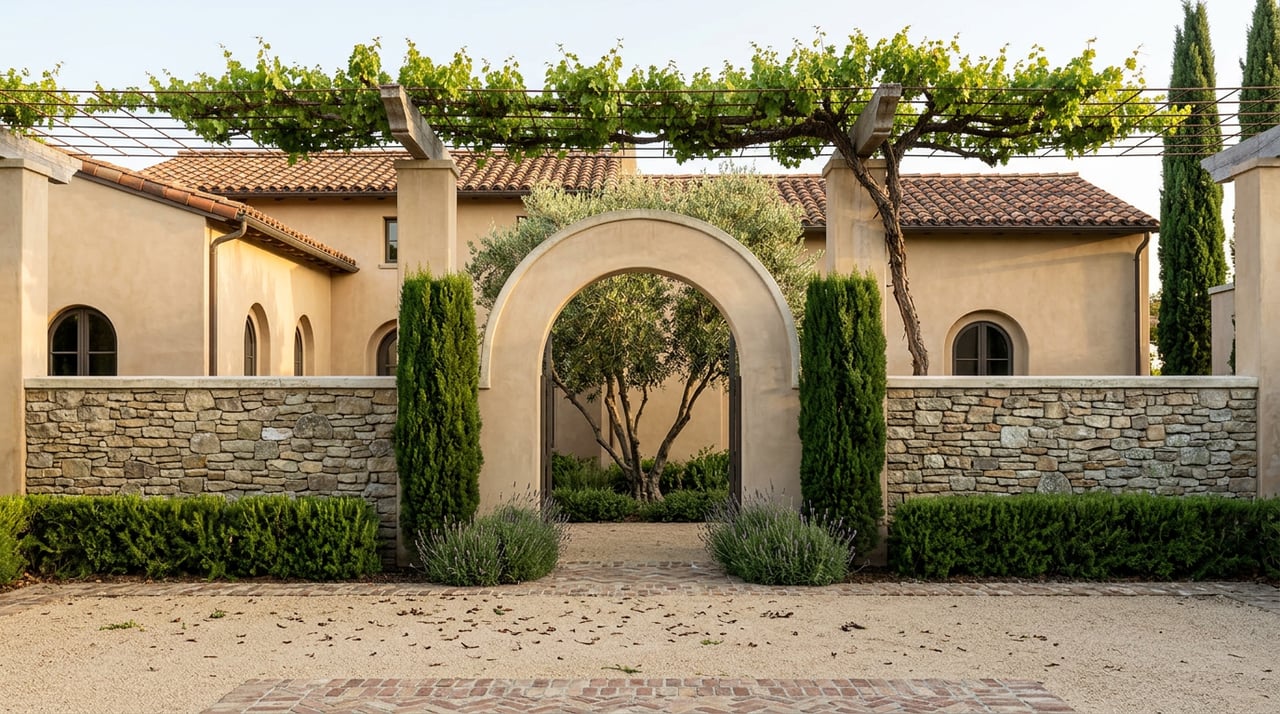
Downtown Pleasanton is the historic heart of the city, with dining, shopping, more than 550 unique businesses, and nearby transit access. The Downtown Specific Plan also identifies five heritage neighborhoods and a tree-lined street grid. For buyers, that creates a distinct lifestyle draw that goes beyond square footage.
Realtor.com showed Downtown Pleasanton at a $1,540,000 median listing price, with 5 homes for sale and 36 median days on market in the March to April 2026 period. That suggests a thinner micro-market and a somewhat slower pace than some citywide snapshots. In other words, downtown-adjacent homes may attract a more specific buyer pool.
If you are selling in or near downtown, your marketing may need to focus on features buyers in this area tend to notice first:
- Walkability to dining and shopping
- Architectural character
- Outdoor space
- Parking and storage
- Commute convenience and transit access
A downtown-adjacent listing usually benefits from a clear story about how the home lives day to day. Buyers may be comparing charm, setting, and convenience just as much as they are comparing square footage.
Westside and View Homes Sell on Setting
Pleasanton’s west side has its own appeal. Pleasanton Ridge Regional Park overlooks Pleasanton and the Livermore Valley, with canyon views and ridgetop vistas, and the park district notes that development has been intentionally limited to preserve the pastoral atmosphere. That setting helps explain why westside homes can feel very different from the rest of the market.
Inventory in several west-side luxury enclaves is also thin. Realtor.com showed just 2 homes for sale in Castlewood and 5 in Ruby Hill in April 2026. In areas with limited inventory like this, portal median prices can be unstable or even unavailable, which makes recent closed sales and local interpretation more important.
For a westside or view-oriented property, buyers often respond most to the complete setting of the home. That includes:
- Privacy
- Views
- Lot utility
- Outdoor entertaining potential
- Overall sense of space and retreat
This is one reason a generic price-per-square-foot approach can fall short. A home with a special site, stronger privacy, or better outdoor living may need a more nuanced strategy than citywide averages can provide.
East-Side Tracts Often Come Down to Condition
Pleasanton’s east side reflects a different housing story. The city’s historic context describes postwar tract development along Santa Rita Road, Walnut Avenue, and the east ends of several streets. The city also notes active policy review and residential projects in East Pleasanton, including Arroyo Lago, East Lakes, and Villages at the Quarry.
That mix can create a wider spread in pricing and pace, especially in tract-style neighborhoods where buyers often compare homes very directly. Realtor.com data showed that Pleasanton Valley had a $1,428,500 median listing price and 17 days on market, Val Vista had $1,326,499 and 27 days, Hacienda had $891,500 and 40 days, and Asco-Radum had $1,414,500 and 33 days. That is a meaningful range.
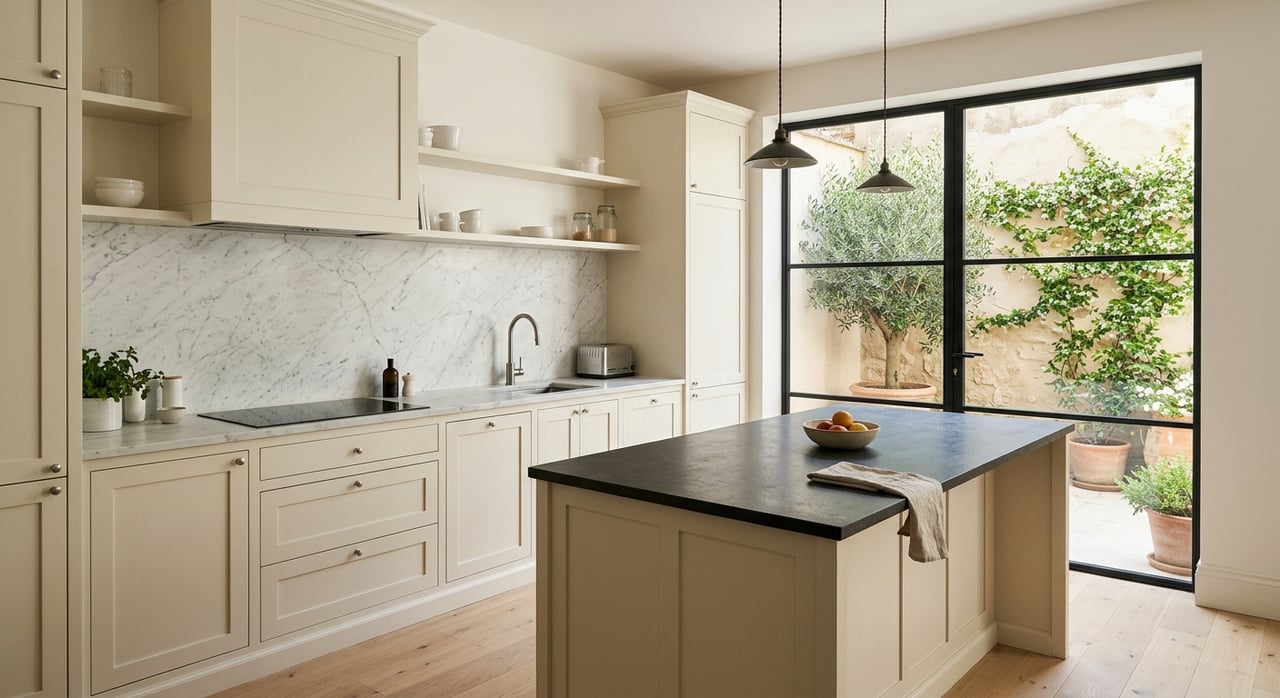
For sellers in these areas, condition can make a major difference. Buyers may look closely at how your home compares to nearby alternatives in terms of layout, updates, maintenance, and move-in readiness. In this type of micro-market, your sale often depends on how clearly your home stands out from similar inventory.
What Data Should Guide Your Price
When it is time to set a price, the most important question is not, “What is Pleasanton doing?” It is, “What are homes like mine doing in my part of Pleasanton?” That is where the clearest answers usually come from.
Bay East’s April 2026 detached-home report for Pleasanton showed 68 active listings, 39 pending, 32 sold, 2.4 months of inventory, a median sale price of $1,697,500, average days on market of 13, and buyers paying 102% of list. The same report also showed year-to-date detached sales concentrated in the $1.3 million to $1.699 million range, with meaningful volume from $2 million to $2.999 million and 14 sales above $3 million. Because that report includes Pleasanton and Sunol, it works best as a local benchmark rather than a city-only pricing formula.
Pleasanton Weekly’s local reporting adds an important practical point. Sellers have been pricing more realistically, and homes that are prepared well, staged thoughtfully, and priced realistically are still attracting interest. That reinforces the idea that strategy matters as much as market temperature.
A smart pricing plan usually starts with these factors:
- Recent closed sales for similar homes nearby
- Pending sales that show current buyer demand
- Active competition in your neighborhood or segment
- Property condition and remodel level
- Lot, setting, views, and usability
- Buyer pool for your specific home type
How Prep and Marketing Should Change by Area
One of the biggest mistakes sellers make is using the same prep and marketing plan for every home. In Pleasanton, the best approach often depends on the micro-market your home belongs to.
For downtown-adjacent homes, the focus is often on walkability, history, convenience, and lifestyle. For westside homes, views, privacy, and outdoor living may carry more weight. For tract-style homes, the strongest story is often condition, updates, and price positioning against nearby alternatives.
That is where targeted improvements can help. Compass Concierge can front the cost of services such as staging, flooring, painting, deep cleaning, and landscaping, with zero due until closing, subject to terms. Used thoughtfully, tools like this can help close a specific neighborhood-level gap instead of just making a listing look generically polished.
Compass also offers Private Exclusives and Coming Soon options, which can help build demand before a full public launch. In a thinner micro-market or for a home that needs the right buyer match, that kind of rollout can support a more intentional launch strategy.
A Tailored Strategy Usually Wins
If your goal is to maximize your sale, the strongest plan is rarely built on one citywide number. It is built on your home’s location, buyer appeal, condition, competition, and the story buyers will tell themselves when they walk through the door.
That is why Pleasanton sellers often benefit from a tailored approach instead of a generic formula. A relationship-first advisor with deep local experience can help you decide where to invest, what to emphasize, and how to position your home for the right audience.
If you are thinking about selling in Pleasanton, Janice Habluetzel can help you build a pricing and presentation strategy that fits your specific micro-market and your goals.
FAQs
How do Pleasanton micro-markets affect home pricing?
- Pleasanton micro-markets affect pricing because buyers compare your home to similar nearby properties, not just to a citywide median. Location, condition, inventory, and lifestyle appeal can all shift value.
What is the best way to price a home in Pleasanton?
- The best way to price a home in Pleasanton is to use recent comparable sales from the same neighborhood and property type, while also weighing condition, active competition, and buyer demand.
Why are citywide Pleasanton housing numbers not enough?
- Citywide Pleasanton housing numbers are helpful as a benchmark, but they combine different home types and locations. That can hide important differences between downtown, westside, and east-side areas.
What should sellers highlight in Downtown Pleasanton?
- Sellers in Downtown Pleasanton should usually highlight walkability, historic character, outdoor space, parking, and convenience to dining, shopping, and transit.
What matters most for westside Pleasanton homes?
- For westside Pleasanton homes, buyers often focus on views, privacy, lot utility, and outdoor living, especially in areas with limited inventory.
How can sellers improve their home’s presentation in Pleasanton?
- Sellers can improve presentation by focusing on updates, staging, cleaning, painting, landscaping, and other improvements that help the home compete within its specific micro-market.