Trying to choose between a brand-new home and an older one in Dublin? You are not alone. In a fast-growing city with active development, established neighborhoods, BART access, and a median sale price around $1.4 million as of March 2026, the right choice often comes down to how you want to live day to day. This guide will help you compare new construction and resale homes in Dublin, CA so you can focus on the tradeoffs that matter most. Let’s dive in.
Why Dublin Makes This Choice Important
Dublin has changed dramatically over the past few decades. The city reports growth from about 14,350 residents in 1982 to an estimated 74,769 in 2026, with a projected buildout population of 89,595 by 2040.
That growth matters because Dublin is not just an established East Bay suburb. It is also still adding housing, parks, and community facilities. The city’s April 2026 development report shows an estimated 5,214 residential units remaining across areas like Eastern Dublin, Dublin Crossing, and Downtown Dublin.
If you are buying here, that means you may be choosing between a home in a newer, still-evolving community and a home in an earlier neighborhood tied to Dublin’s past growth. Neither option is automatically better. The best fit depends on your priorities.
New Construction in Dublin
New construction in Dublin usually means contemporary floorplans, planned common areas, and a neighborhood that may still be in progress. In many cases, these homes are part of a common-interest development, which often includes HOA governance, dues, and community rules.
A current example is Francis Ranch in Dublin’s eastern hills. Listing pages there show a wide mix of housing types, from townhomes and duets to larger single-family homes, with sizes ranging from about 1,921 to 4,845 square feet and prices from roughly $1.13 million to more than $3.2 million depending on the plan.
For some buyers, the appeal is clear. You may get a more modern layout, newer finishes, and access to planned amenities in an area designed as part of a larger community vision.
What to review before signing
In California, buyers in new subdivisions receive a Department of Real Estate public report before signing a purchase contract. The DRE says you should use the contract review period to examine restrictions and obligations tied to the property.
That report can cover:
- Hazards
- Utilities
- Transportation improvements
- Title matters
- Purchase contract terms
- HOA matters
This is one of the biggest differences with new construction. You are not only evaluating the house itself. You are also evaluating the structure of the community around it.
HOA rules are part of the picture
If the home is in a common-interest development, HOA membership is automatic. The California Attorney General explains that HOAs make and enforce rules, collect fees and assessments, and operate under documents like CC&Rs and bylaws.
For you as a buyer, that means the monthly cost of ownership may include more than your mortgage, property taxes, and insurance. You also need to understand HOA dues, possible assessments, and how the association is managed.
The DRE also notes that dues and assessments can increase over time. In some communities, early developer support may not last forever, so it is smart to review the HOA budget, reserve information, insurance summary, and assessment language before you get too attached to the model home.
Resale Homes in Dublin
Resale homes in Dublin reflect earlier chapters of the city’s growth. Dublin’s timeline notes that the city evolved from a farming community into a suburban area in 1960, and San Ramon Village was the first large residential housing development.
That history creates a different kind of housing choice. Resale homes are often in neighborhoods that have been established for years, with more variation in lot size, layout, condition, and surrounding streetscape.
For some buyers, that variety is a major advantage. You may find a property with a yard configuration, location, or neighborhood feel that is harder to replicate in newer releases.
Condition matters more than age alone
When buyers compare resale homes to new construction, it is easy to focus only on age. In reality, the more useful question is how well the individual property has been maintained.
The DRE reminds buyers that homeownership always includes repair and upkeep costs, and that older or converted properties can carry higher maintenance risk. A resale home may be a great fit, but you should pay close attention to condition, repair history, and likely future maintenance.
Key Tradeoffs to Compare
Maintenance and ownership costs
New construction can reduce near-term repair concerns, but that does not always mean lower overall ownership complexity. In a newer CID, you should pay close attention to HOA finances, reserve funding, insurance summaries, and assessment terms.
Resale homes may have fewer HOA obligations in some cases, but they can bring more maintenance variability. The real question is not simply whether a home is new or old. It is whether the total ownership picture fits your budget and comfort level.
Outdoor space and amenities
Many newer Dublin communities are tied to planned parks and common amenities. City information notes projects like the Dublin Centre Grand Paseo Linear Park, Forest Park in Jordan Ranch, and Francis Ranch parks. Francis Ranch’s neighborhood parks are planned to total 11 acres, and Wallis Ranch Community Park includes features like a dog park, courts, picnic areas, and trails.
Resale homes often lean more on Dublin’s broader public park system and the features of the individual lot. The city says Dublin has more than 24 neighborhood and community parks plus two open-space areas, and trails such as the Calaveras Ridge Trail begin near Schaefer Ranch.
If outdoor living matters to you, compare both the property and the bigger setting around it. A private yard, nearby trail access, and completed public parks can all shape daily life in different ways.
Commute and mobility
Dublin’s location is a big part of its appeal. The city sits at the crossroads of I-580 and I-680, has two BART stations, and also offers Wheels bus service, trails, and complete-streets planning.
That said, location within Dublin still matters. Some newer communities in the eastern hills may feel different from homes closer to the Dublin/Pleasanton or West Dublin/Pleasanton BART corridor. If rail access or freeway timing is important to your routine, test the commute from the exact address, not just the city as a whole.
Community buildout and timing
One unique factor in Dublin is that some new-home areas are still developing. With thousands of future residential units still planned citywide, buyers should ask what is already complete and what is still coming.
That includes roads, parks, common areas, nearby construction, and any promised amenities that are not finished yet. A beautifully staged model home can be very different from the lived experience of a neighborhood that is still in active buildout.
Can New Construction Be More Affordable?
Sometimes, yes, but it depends on the program. Not every new home follows the same pricing rules.
For example, the City of Dublin lists 18 moderate-income below-market-rate homes planned at Francis Ranch between 2025 and 2027. These homes come with income, owner-occupancy, and resale-related program rules, which makes them different from unrestricted market-rate inventory.
If affordability is part of your decision, it is worth asking whether a new-home opportunity is market-rate or part of a city program. That distinction can change the comparison in a meaningful way.
School Planning Should Be Address Specific
If school assignment is part of your home search, verify it by address. Dublin Unified says each residential area is assigned to a school through its locator system, and some students can be diverted if a neighborhood school is impacted by enrollment.
This matters for both new construction and resale homes. Do not assume a neighborhood or builder community automatically maps to a specific school pattern. It is best to confirm the exact assignment and ask whether any diversion or transfer process could apply.
A Simple Way to Decide
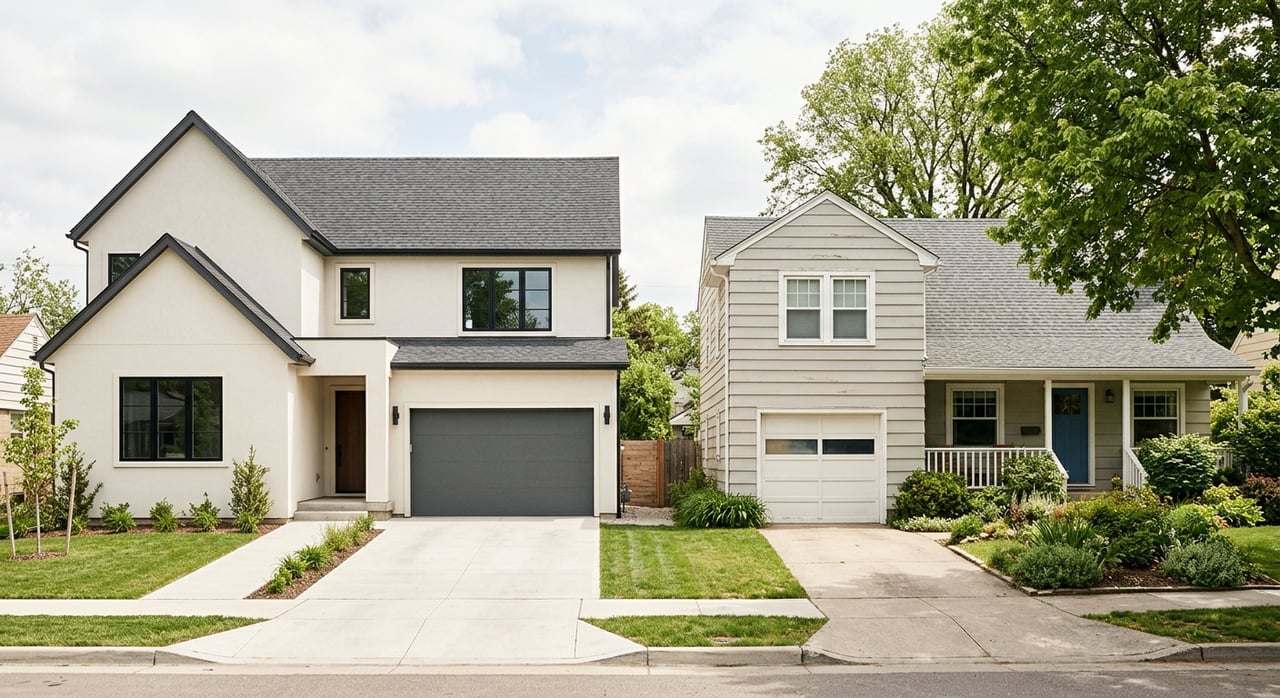
If you are drawn to modern layouts, planned amenities, and the idea of buying into a growing part of Dublin, new construction may be the better fit. You will want to be comfortable reviewing HOA documents, understanding community rules, and thinking beyond the model home to the full neighborhood plan.
If you value an established setting, more variation in homes and lots, and a neighborhood that is already built out, resale may make more sense. You will want to focus on condition, repair exposure, and the practical details of ownership over time.
For many move-up buyers, the decision comes down to three things: commute, outdoor lifestyle, and how much maintenance uncertainty you are willing to take on. For relocating professionals, location relative to BART and freeway access often carries extra weight.
The good news is that Dublin offers both paths. The key is comparing them with clear eyes and the right questions.
If you are weighing new construction versus resale in Dublin, working with a local advisor can help you sort through community buildout, disclosures, commute patterns, and neighborhood fit with a lot more confidence. When you are ready for thoughtful, hands-on guidance, connect with Janice Habluetzel.
FAQs
What is the main difference between new construction and resale homes in Dublin, CA?
- New construction in Dublin is often part of active growth areas with HOA governance, planned amenities, and neighborhoods that may still be developing, while resale homes are usually in more established areas with greater variation in age, condition, and lot features.
Are most new construction homes in Dublin part of an HOA?
- Many new homes in common-interest developments are, and HOA membership typically transfers automatically with the property.
What should you review before buying a new construction home in Dublin?
- Ask for the DRE public report and review hazards, utilities, transportation improvements, title matters, contract terms, HOA details, budget information, reserves, insurance summaries, and possible assessments.
What should you focus on when buying a resale home in Dublin?
- Focus on the condition of the individual property, repair history, likely maintenance needs, and any HOA reserve or assessment disclosures that apply.
Can a new construction home in Dublin be below market rate?
- Yes, some city-supported opportunities may be below market rate, such as the moderate-income homes planned at Francis Ranch, but those programs come with eligibility, owner-occupancy, and resale rules.
How do you confirm school assignment for a Dublin home?
- Use the Dublin Unified school locator for the specific address and verify whether any enrollment-related diversion or transfer process could affect the assignment.
How should you compare commute options between new and resale homes in Dublin?
- Test the real commute from the exact property address, especially if BART access or proximity to I-580 and I-680 is important to your daily routine.
Is Dublin still adding new housing and amenities?
- Yes, the city reports thousands of residential units still remaining in development areas, along with ongoing park and public facility projects, so some communities are still evolving.