Thinking about selling in Pleasanton and wondering if pre-sale updates are worth it? You are not alone. Many sellers want top dollar but prefer not to front the cash for paint, floors, lighting, landscaping, or staging. This is where Compass Concierge can help, and the payoff depends on smart choices and local comps. In this guide, you will learn how Concierge works, what projects typically return value in Pleasanton, simple ROI math you can use, and a practical plan to get from “as is” to show-ready with confidence. Let’s dive in.
How Compass Concierge works
Compass Concierge advances the cost of approved pre-sale improvements and services so you can prepare your home without paying out of pocket. You list with a Compass agent, complete program paperwork, and vendors perform the agreed work. The balance is repaid from your sale proceeds at closing.
A few key points to confirm with your agent:
- Most markets use an interest-free advance that you reimburse at closing.
- You remain responsible for costs if the home does not close as planned.
- Ask whether any administrative or program fees apply in your area.
- Confirm how vendor contracts and invoices will appear on your closing statement.
Treat Concierge like a short-term advance against your eventual net proceeds. When you evaluate the numbers, focus on your net, not just a higher list price.
Pleasanton market context
Pleasanton and the greater Tri-Valley draw buyers who value move-in readiness, outdoor space, and proximity to Bay Area job centers. Many buyers commute across Alameda County and the Oakland-Hayward-Berkeley corridor, so homes that feel updated and easy to maintain can command stronger attention.
Market conditions matter. In a tighter seller market, even modest cosmetic updates may shorten days on market and spark stronger bidding. In a slower market, you need to be more selective. Local comparable sales set the ceiling, so avoid over-improving beyond neighborhood expectations.
Bottom line: improvements aligned with Pleasanton buyer preferences, especially clean finishes and strong curb appeal, are most likely to produce a measurable uplift.
Where updates often pay off
Below are common project types for Pleasanton sellers, with typical timelines and ROI drivers. Exact costs vary by scope, materials, and vendor availability.
Interior paint
- Timeline: about 3 to 10 days for a whole-house neutral repaint.
- Why it works: high visual impact for relatively low cost. Fresh, neutral paint elevates photos and perceived condition.
- Tips: prioritize main living areas, entry, kitchen, and primary spaces. Repair drywall and caulk for a crisp finish.
Flooring updates
- Timeline: 2 days to 2 weeks depending on refinishing vs. replacement.
- Why it works: floors anchor first impressions. Refinished hardwood or quality LVP can shift buyer perception from “project” to “move-in ready.”
- Tips: choose materials that fit neighborhood standards. Avoid overspending on premium products that comps do not support.
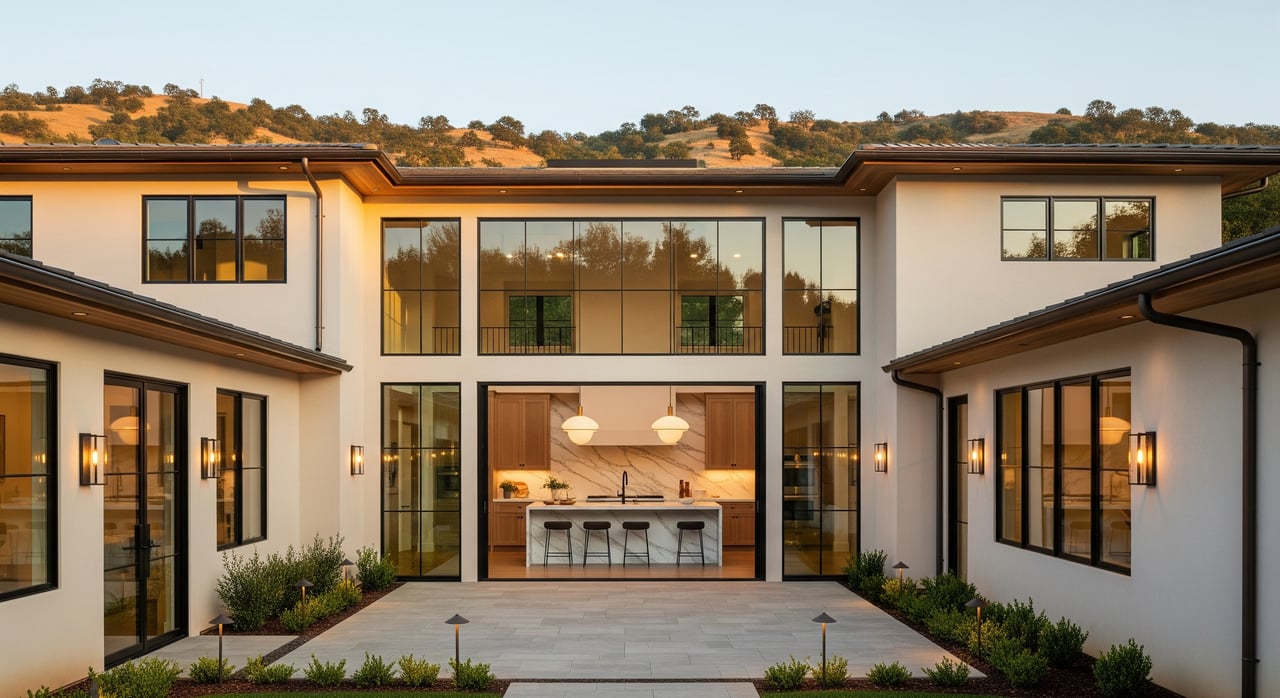
Lighting and minor electrical
- Timeline: 1 to 5 days depending on quantity and complexity.
- Why it works: modern lighting improves photos and the feel of every room. LED bulbs and updated fixtures read as “new and efficient.”
- Tips: focus on entries, kitchen, dining, and living spaces. Consider recessed lights where ceilings allow.
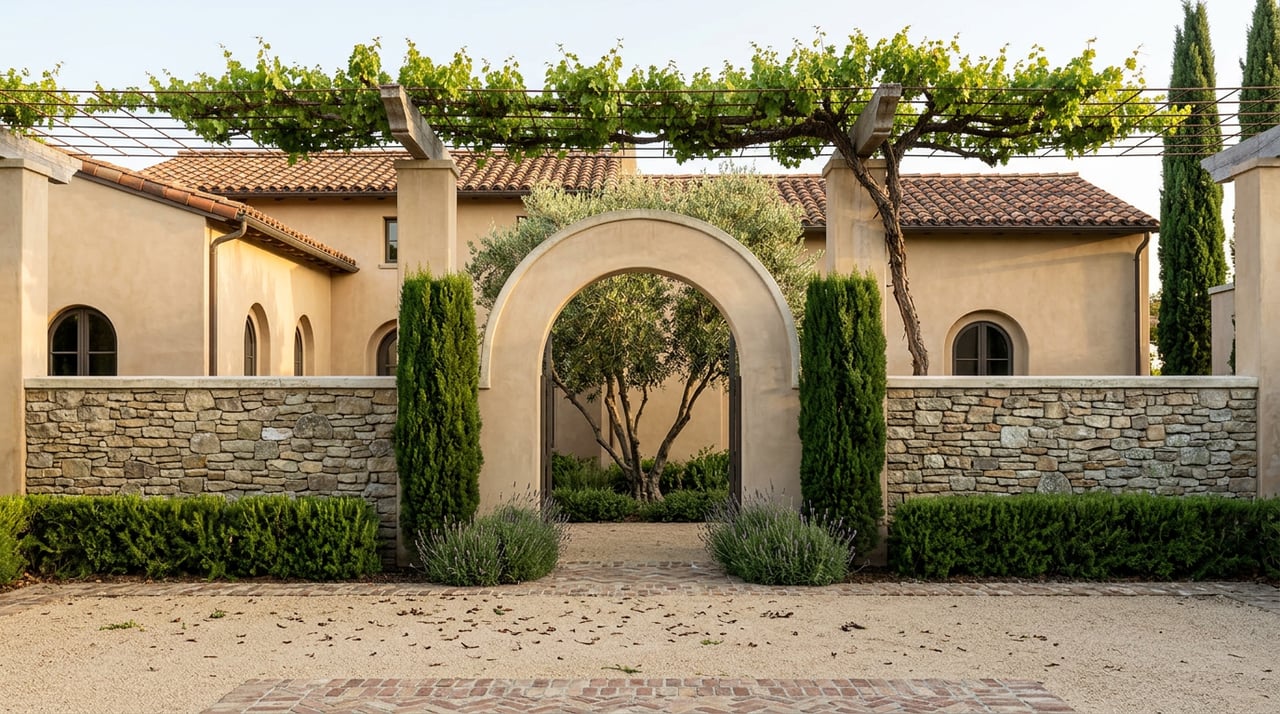
Landscaping and curb appeal
- Timeline: 1 to 7 days for refresh work like mulch, pruning, pressure washing, and simple repairs.
- Why it works: curb appeal sets the tone before buyers walk in. In Pleasanton, usable outdoor areas add lifestyle appeal.
- Tips: tidy the lawn, refresh mulch, prune overgrowth, touch up the front door, and add simple container plants.
Professional staging and decluttering
- Timeline: 1 to 3 days for setup, with monthly rental terms.
- Why it works: staged homes often photograph better and help buyers visualize space. This can shorten time on market and reduce the chance of price cuts.
- Tips: if you occupy the home, pair light staging with thoughtful decluttering. For vacant homes, stage key rooms.
A simple ROI model you can use
Use this framework before you approve any scope:
- Step 1: Estimate your as-is sale price (P0) based on recent comparable sales.
- Step 2: Estimate the improved sale price (P1) if you complete specific updates.
- Step 3: Total the cost of improvements (C), including staging and any program fees.
- Step 4: Net gain equals (P1 − P0) − C.
- Step 5: ROI equals net gain divided by C.
Illustrative examples:
- Scenario A, modest cosmetic pack: interior paint $6,000, staging $2,000, basic landscaping $2,000. Total C = $10,000. If P0 = $1,300,000 and P1 = $1,315,000, your net gain is $5,000 and ROI is 50 percent.
- Scenario B, larger scope: flooring $25,000, paint $8,000, lighting $3,000. Total C = $36,000. If P0 = $1,300,000 and P1 = $1,345,000, your net gain is $9,000 and ROI is 25 percent.
These examples are not predictions. They show how more spend does not always mean better ROI. Also consider carrying costs while work is underway and how faster market time can add value.
When Concierge likely pays off
- You lack the cash to prep the home, but comps support a clear price lift after updates.
- Your agent can show two valuations, as-is versus improved, tied to specific scopes and local comps.
- The plan focuses on high-visibility updates that align with Pleasanton buyer expectations.
- Timeline is tight and you want market-ready presentation without delays.
When to skip or scale back
- The home already compares well to updated listings and recent sales.
- Your improvement list includes high-cost projects that comps do not support.
- Market conditions are soft and the expected uplift is uncertain.
- Contractor capacity is limited, which risks delays that raise carrying costs.
Janice’s Pleasanton prep plan
Here is a practical workflow Janice uses to protect your net and keep timelines on track:
Initial consult and valuations
- Review comps to create two price targets, as-is and after improvements.
- Discuss your goals, ideal timeline, and tolerance for disruption.
Smart prioritization
- Address safety or required repairs first to avoid financing issues.
- Upgrade first impressions next, including curb appeal and entry.
- Invest in high-impact cosmetics such as neutral paint and lighting.
- Add staging for photos and showings. Scale to the rooms that matter most.
- Consider larger items like flooring only if comps justify the spend.
Vendors and pricing
- Use pre-vetted local vendors with proper insurance and references.
- Gather 2 to 3 written bids per scope, with line items for labor and materials.
- Confirm schedules and lead times, and define a change-order policy in writing.
Project management and timing
- Sequence efficiently: exterior refresh and landscaping, interior paint, flooring, final clean, then staging.
- Hold a 5 to 10 percent contingency for surprises.
- Coordinate professional photography right after staging.
Contracts and closing
- Confirm Concierge paperwork, covered services, and repayment terms.
- Keep invoices organized for escrow so repayment is clean at closing.
- If a sale falls through, understand your repayment obligations.
Pricing and launch
- Position pricing relative to improved comps in Pleasanton.
- Use high-quality photos and debut when the home shows its best.
- Watch early feedback and adjust if needed.
Checklist for Pleasanton sellers
- Get written as-is and after-improvement valuations tied to comps.
- Ask for local examples of Concierge results from similar homes.
- Obtain 2 to 3 itemized bids for each major scope.
- Confirm Concierge terms in writing, including any fees and repayment timing.
- Model net proceeds under conservative and optimistic sale scenarios.
- Prioritize repairs, curb appeal, paint, floors or lighting, then staging.
- Build a 5 to 10 percent contingency and a realistic schedule.
Preparing well can unlock a stronger result in Pleasanton, especially when updates align with buyer expectations and local comps. If you want a clear plan, vendor coordination, and disciplined ROI modeling, connect with Janice Habluetzel to walk through your options and decide if Compass Concierge will pay off for your sale.
FAQs
How does Compass Concierge repayment work for Pleasanton home sales?
- Concierge typically advances approved costs and you reimburse the balance at closing from your sale proceeds. You remain responsible for repayment if your sale does not close. Confirm any local fees with your agent.
Which pre-sale projects deliver the best ROI in Alameda County?
- Paint, targeted lighting upgrades, curb appeal, and strategic staging often provide strong visual impact per dollar. Larger items like flooring can pay off when neighborhood comps support the spend.
How long will pre-sale prep take before listing in Pleasanton?
- Many cosmetic packages fit within 1 to 3 weeks, for example paint in 3 to 10 days, lighting in 1 to 5 days, landscaping in 1 to 7 days, and staging in 1 to 3 days. Complex scopes take longer.
Can I choose my own vendors if I use Concierge?
- Yes, you can typically use vetted vendors your agent manages or bring your own, as long as they meet program requirements. Your agent will help collect bids and coordinate schedules.
Do I owe Concierge repayment if my Pleasanton home does not sell?
- Yes, you remain contractually responsible for approved costs if the home does not close as planned. Review the program paperwork so you understand obligations and timing.
Will staging actually help my Pleasanton home sell faster?
- Staging often improves photos and helps buyers understand how rooms live, which can increase showings and reduce time on market. Results vary by property and price point, so review comps with your agent.