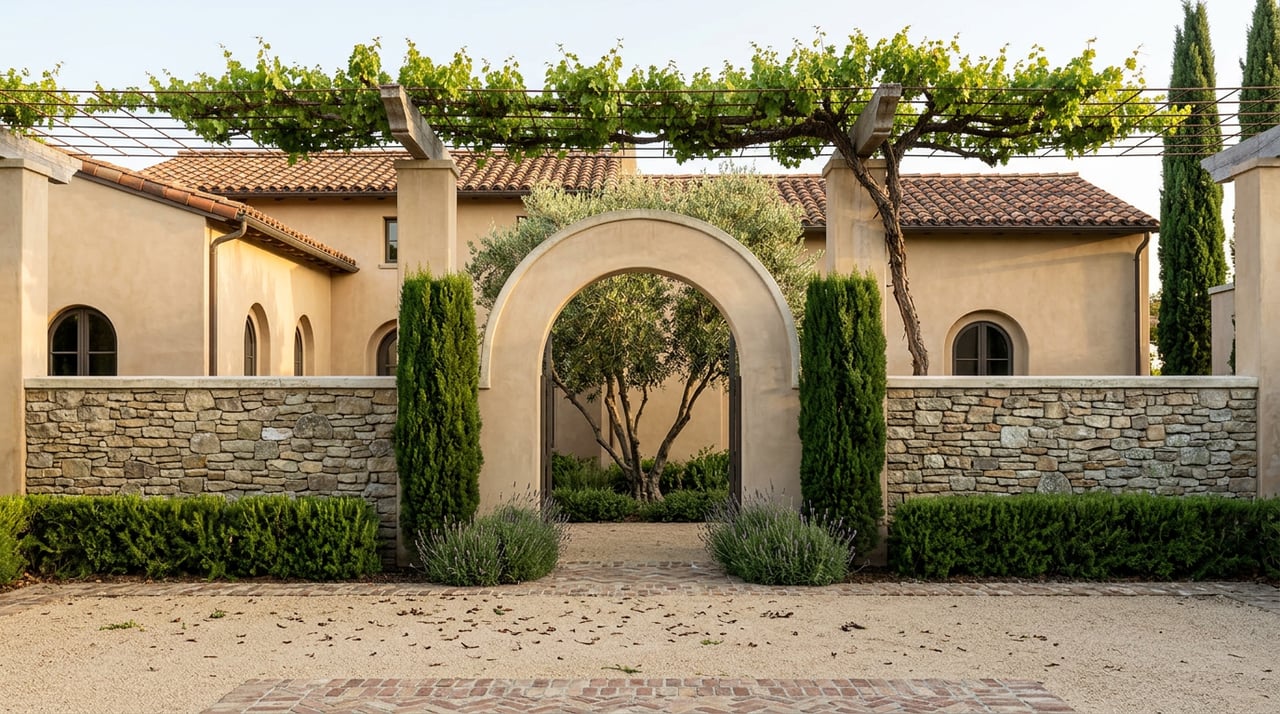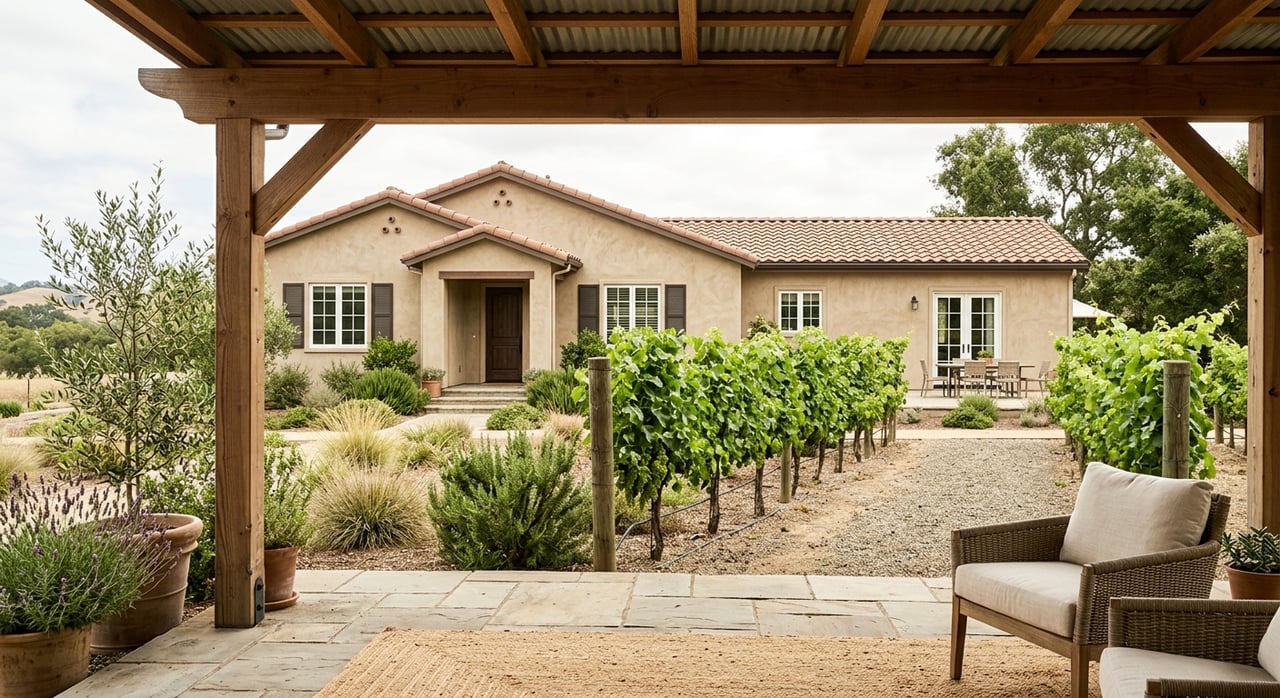
If you are selling a vineyard or acreage property in Livermore, you already know this is not a typical home sale. Buyers are not just looking at square footage and finishes. They are also evaluating land use, water, access, agricultural potential, and long-term property function. With the right preparation, you can present the full value of your property more clearly and reduce surprises during escrow. Let’s dive in.
Why Livermore acreage sells differently
Livermore’s land market is shaped by its agricultural roots and open-space identity. Alameda County notes that most of its agricultural land is in the Tri-Valley, with more than 5,000 acres of wine grapes and more than 50 wineries in the region. The area’s history in winemaking dates back to Robert Livermore’s grape plantings in the 1840s.
That local context changes how buyers view property. In many cases, they are assessing the home, the acreage, and the land’s agricultural role all at once. A standard suburban marketing approach usually misses that bigger picture.
The City of Livermore also ties land, water, and conservation closely together through its open-space program and work with regional partners. For you as a seller, that means your property may be better understood as a land-and-lifestyle offering, not just a residence with extra land.
Start with land use clarity
One of the first questions buyers ask is simple: What can I legally do here? In Livermore’s vineyard and acreage areas, that answer often depends on Alameda County agricultural zoning and South Livermore Valley land-use policy.
In Alameda County’s A district, permitted uses can include crop, vine, or tree farms, grazing livestock, wineries, and riding or hiking trails. One-family dwellings are allowed, while secondary dwelling units and caretaker housing are more limited and may depend on parcel size and site review.
The South Livermore and East County planning framework is also preservation-oriented. It supports additional wineries and wine-country uses, limits certain visitor-serving commercial activity, and generally keeps residential building envelopes within a contiguous 2-acre area while the remaining land stays in cultivated agriculture.
That matters in a sale because buyers often assume acreage means flexibility. In reality, a property may have very specific limits on residential expansion, agricultural use, access, or development location. Clear zoning and planning documentation can help set expectations early.
Questions to answer before listing
Before your property goes live, it helps to gather answers to core land-use questions:
- What is the current zoning?
- Are there any use restrictions tied to the parcel?
- Is the property in an area governed by South Livermore or East County policy?
- Are there easements or access requirements tied to county-maintained roads?
- Are there building envelope or slope limitations that affect future plans?
When you can answer these questions clearly, buyers tend to feel more confident moving forward.
Confirm whether a Williamson Act contract applies
If your parcel is under a Williamson Act contract, that is important to confirm before pricing and marketing. Alameda County states that the contract runs with the land, and property assessments are based on agricultural and open-space use rather than full market value.
This can affect how buyers evaluate carrying costs and future use. It can also shape how they compare your property to other acreage or residential listings. If a contract is in place, it should be part of the early property story, not a late surprise.
Document water, wells, and irrigation
For many acreage and vineyard buyers, water is one of the biggest concerns. Zone 7 Water Agency serves the Livermore-Amador Valley and sells untreated water directly to agricultural and other customers. Depending on the property, a buyer may be reviewing agricultural water access, well information, irrigation layout, or a combination of systems.
This is why pre-listing documentation matters so much. If you can provide records that help explain how the property functions day to day, you make the buyer’s diligence process easier.
Helpful water-related records
Consider organizing:
- Well logs
- Pump information
- Tank details
- Irrigation maps
- Water service records, if applicable
- Maintenance history for key systems
These materials can help buyers understand capacity, condition, and operating setup. They can also help reduce uncertainty that may otherwise show up as lower offers or long contingency periods.
Review septic status early
Septic systems are another major diligence item for acreage properties. Alameda County Health’s OWTS program permits septic systems for new and existing development, so buyers often want a clear picture of the system’s status, history, and documentation.
If you have septic permits, inspection records, maintenance history, or repair documentation, gather those early. Even when a system is working well, buyers usually feel more comfortable when they can review organized records instead of piecing together the story during escrow.
Prepare for wildfire readiness questions
Wildfire preparedness is a real part of selling many rural and semi-rural properties in California. CAL FIRE says homes need 100 feet of defensible space, annual grass should be kept to a maximum height of four inches, and combustible materials should be kept 30 feet from the home.
Alameda County Fire Department also states that unincorporated properties in very high fire severity zones may be subject to defensible-space inspection and disclosure requirements. Buyers may ask whether the property has been cleared, whether access is adequate, and whether the home falls in a high or very high fire hazard severity zone.
Smart pre-listing fire prep
Before listing, it may help to:
- Clear defensible space around the home
- Cut annual grass down to required levels
- Remove combustible materials near structures
- Check whether the property is in a mapped high fire hazard area
- Gather any recent inspection or compliance records
This kind of preparation can support a smoother showing experience and a more confident buyer response.
Understand right-to-farm expectations
Acreage buyers are often drawn to Livermore for its rural setting, but they also need to understand what comes with that setting. Alameda County’s right-to-farm materials say lawful agriculture may continue within 2,000 feet, and normal farm practices can include noise, odors, dust, light, insects, pumps, machinery, manure handling, and pesticide use.
California also requires a Notice of Right to Farm for qualifying residential transactions. That disclosure helps buyers understand that rural living can include activity that feels very different from a traditional subdivision environment.
For sellers, this is less about creating concern and more about matching the property with the right buyer. When expectations are clear, the transaction is usually stronger.
Get disclosures ready before offers
California’s residential disclosure rules still apply to acreage homes with one to four dwelling units. The Real Estate Transfer Disclosure Statement must be delivered before title transfer, and agents are expected to conduct a reasonably competent and diligent visual inspection of accessible areas and disclose material facts affecting value, desirability, and intended use.
Timing matters here. If a disclosure is delivered after an offer is signed, the buyer generally has a short right to cancel: three days if delivered in person, or five days if delivered by mail or electronic record.
For that reason, early disclosure preparation is especially important for vineyard and acreage listings. The more you can organize before marketing begins, the less likely the transaction is to stall later over missing information.
Common disclosure and diligence topics
Buyers often focus on these issues:
- Legal land use
- Water source reliability
- Well condition or permit history
- Septic condition and permits
- Fire-clearance obligations
- Road access and easements
- Prior permits or improvements
- Williamson Act status
These are not side issues in this niche. They are central to value and buyer confidence.
Build a stronger pre-listing plan
Because these properties are more complex, sellers often benefit from a coordinated pre-listing approach. Depending on the property, that can include a well contractor, septic professional, surveyor or land-use adviser, fire-clearance vendor, and a real estate advisor who can assemble records and disclosures early.
This is where local experience matters. A vineyard or acreage sale often requires more than attractive photos and a sign in the yard. It takes thoughtful preparation, accurate positioning, and a clear presentation of how the property actually works.
Market the property as more than a house
When your home sits on vineyard land or acreage, buyers need a complete story. Yes, presentation still matters. Professional photography, thoughtful staging, and polished marketing can help your home make a strong first impression. But with specialty property, presentation should also explain the land, systems, use, and setting.
That is especially true in Livermore, where agricultural heritage and open-space preservation are part of the market itself. A well-marketed property helps buyers see not just the residence, but the opportunity, responsibility, and identity of owning land in this part of the Tri-Valley.
If you are preparing to sell a Livermore vineyard or acreage property, Janice brings the hands-on guidance, local market insight, and curated vendor relationships that can help you prepare thoughtfully and market with confidence. To start the conversation, connect with Janice Habluetzel.
FAQs
What makes selling a Livermore vineyard property different from selling a standard home?
- Livermore vineyard properties are often evaluated based on the home, the land, water and septic systems, agricultural use, zoning, and disclosure issues, not just residential features.
What zoning issues matter when selling acreage in Livermore?
- Alameda County agricultural zoning, South Livermore and East County land-use policies, access requirements, and limits on certain uses or building areas can all affect buyer interest and value.
What records should you gather before listing a Livermore acreage property?
- Helpful records often include well logs, pump and tank information, irrigation maps, septic permits, maintenance history, fire-clearance information, and any land-use or permit documents tied to the parcel.
What is the Williamson Act and why does it matter to Livermore sellers?
- If a parcel is under a Williamson Act contract, the contract runs with the land and the county says assessments are based on agricultural and open-space use, which can affect buyer expectations and pricing strategy.
What fire-related disclosures apply to some Livermore acreage homes?
- Depending on location and home age, sellers may need to address defensible-space conditions and provide additional fire-hazard disclosures for properties in high or very high fire hazard severity zones.
Why is early disclosure preparation important for Livermore vineyard and acreage sales?
- Early disclosures help buyers evaluate the property sooner and may reduce the risk of delays or cancellation rights that can arise when material information is delivered after an offer is signed.