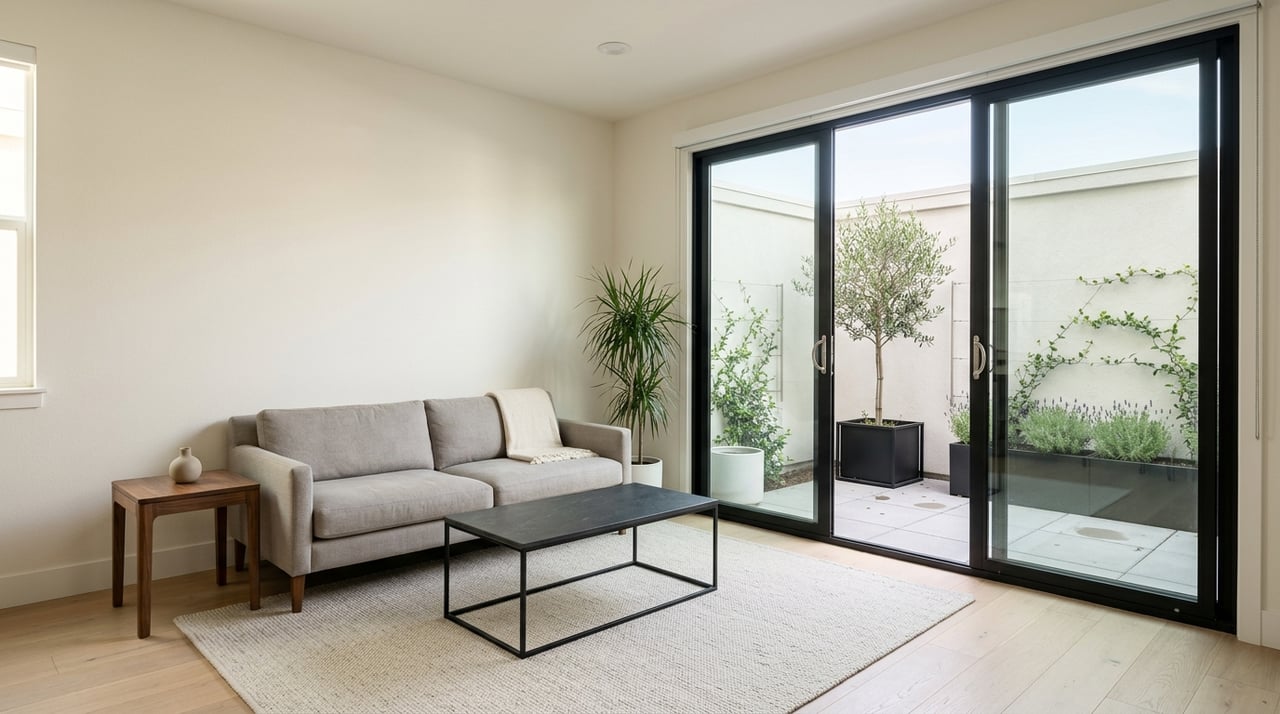
If your Danville home has started to feel like more work than reward, you are not alone. Many homeowners reach a point where extra rooms, larger yards, and stairs no longer match the way they want to live day to day. The good news is that downsizing in Danville can mean more convenience, less upkeep, and a lifestyle that keeps you connected to the places you enjoy most. Let’s dive in.
Why Danville Works for Downsizers
Danville offers a strong mix of convenience and lifestyle for people who want to simplify without giving up local connection. Downtown brings together the Community Center and Library, the Town Green, and the Senior Center in one central area. That kind of amenity cluster can make daily routines easier when your goal is shorter trips and less driving.
The town also supports aging well in place and staying engaged over time. Danville adopted an Age-Friendly Roadmap in 2022, and the Town says it aims to provide positive, enjoyable programs for older adults. If you are thinking about your next chapter, that local support matters just as much as the home itself.
For outdoor time, Danville gives you options that fit different activity levels. The Iron Horse Regional Trail runs through town and is ADA accessible, which makes it a practical choice for flat daily walks and bike rides. Nearby open space can be beautiful too, but not every trail is equally easy to use, so access and terrain should stay part of your home search.
What Easy Living Really Means
Downsizing is not just about moving into fewer square feet. It is about choosing a home and location that support how you want to live now. In Danville, that often means balancing comfort, access, and lower day-to-day demands.
For some homeowners, easy living means fewer stairs and less yard work. For others, it means easier parking, a shorter walk to the front door, or being closer to downtown services and gathering spaces. A simpler home works best when it also simplifies your routine.
Outdoor access can be part of that equation too. A home near the Iron Horse Regional Trail may support more regular walking than one that depends on steeper preserve trails. If your goal is to make life easier, those small daily details can matter more than a dramatic view or a larger lot.
Start With Your Lifestyle Goals
Before you sort a closet or call a mover, get clear on what you want your next home to do for you. This is the planning step that helps every later decision make more sense. It can also keep you from trading one set of hassles for another.
Ask yourself what would make daily life feel easier. You may want a single-level layout, less exterior maintenance, closer access to downtown Danville, or a home that feels simpler to navigate from room to room. The right answer is personal, but the goal should be specific.
It also helps to review home safety and comfort room by room. The National Institute on Aging recommends paying attention to features like lighting, grab bars near toilets and in tubs or showers, ramps with handrails, and nonslip surfaces in wet areas. These details may not sound glamorous, but they often shape long-term comfort more than square footage does.
Plan Your Danville Downsizing Timeline
Most downsizing moves go more smoothly when you think in phases instead of trying to do everything at once. The pace depends on the size of your current home, how much decluttering is needed, and whether you plan to buy your next home before or after you sell. Estate-size properties often need more lead time simply because there is more to sort, prepare, and manage.
A practical sequence usually includes early planning, pre-listing preparation, buyer-side preparation, and closing. Consumer guidance from the CFPB notes that people who want to move normally try to sell their current home before buying another one. That is not the only path, but it is often the clearest place to start when mapping out timing.
Phase 1: Early Planning
This is the stage where you define your lifestyle goals and begin sorting belongings. In a larger home, this process often takes longer than expected because you are deciding what will move with you, what will stay, and what no longer fits the next chapter.
A simple sorting system can help:
- Keep
- Move
- Donate
- Sell
- Store
This is also the right time to think about your budget for the next home. The California Department of Real Estate advises buyers to consider location, nearby services, and any special taxes, assessments, or HOA dues that may affect monthly costs.
Phase 2: Pre-Listing Preparation
Once you are leaning toward a move, your current home needs a clear preparation plan. For longtime owners, that may include decluttering, repair coordination, staging, and lining up vendors. Larger homes often need more advance work, especially if the goal is strong presentation.
It helps to identify condition issues early. The California Department of Real Estate advises buyers to check electrical, plumbing, and structural condition, and inspection findings often influence repair discussions. Even before a buyer is in the picture, early preparation can reduce surprises and give you more control over timing.
Phase 3: Buy-Side Preparation
If your next purchase will involve financing, preapproval is an important checkpoint. The CFPB says sellers often require a preapproval letter before accepting an offer, and those letters typically expire in 30 to 60 days. It is helpful, but it is not a guaranteed loan offer.
This stage is also where you refine your list of must-haves versus nice-to-haves. That can keep you focused when comparing smaller single-family homes, townhomes, or condos in Danville and nearby areas.
Phase 4: Closing and Transition
Once you accept an offer or get one accepted on your purchase, the process moves into the closing stage. The CFPB describes closing as the last step in buying and financing a home. This period usually includes underwriting paperwork, homeowners insurance shopping, title-related steps, and final signatures.
The better your early planning, the calmer this stage tends to feel. Downsizing is often emotional as well as practical, so a clear timeline can reduce stress when many moving parts come together.
Compare Downsizer-Friendly Home Types
Not every smaller home creates the same experience. In Danville, the best fit often depends on how much maintenance you want to leave behind and how much privacy or independence you want to keep.
Condos and Townhomes
In California, condos and many townhomes are common-interest developments. The California Attorney General explains that homeowners associations make and enforce rules, residents usually must join the HOA and pay dues and assessments, and CC&Rs set community rights and restrictions. The California Department of Real Estate also notes that association membership is automatic when you buy into a common-interest development.
For you, that means a condo or townhome may reduce exterior maintenance while adding shared governance. The tradeoff is worth a close look. You will want to understand monthly dues, possible assessments, community rules, and whether the property feels easy to navigate every day.
Smaller Single-Family Homes
A smaller detached home can be a good middle ground if you still want privacy and independence. You may cut down on cleaning and yard work without giving up the feel of a standalone property. That said, you still own the maintenance responsibilities.
The California Department of Real Estate notes that homeownership comes with upkeep and unexpected repairs. It also recommends checking the electrical, plumbing, and structural condition of any property you are considering.
Prioritize Comfort and Accessibility
When you are downsizing, comfort should be practical, not abstract. A beautiful home is helpful, but an easy home is often better. The features that support daily living tend to matter most after move-in day.
Look closely at details like stair use, lighting, bathroom setup, flooring, and entry access. Features such as grab bars, ramps with handrails, and nonslip surfaces can make a home feel safer and easier to use over time. Even parking-to-door distance can shape how convenient a property feels on an ordinary day.
It is also wise to look beyond the front door. In Danville, access to downtown services, gathering places, and flat walking routes can play a big role in whether a home truly supports an easier lifestyle.
How to Decide Whether to Sell First
One of the biggest downsizing questions is timing. Should you buy the next home first, or sell your current one first? While every situation is different, CFPB guidance notes that people who want to move normally sell their current home before buying another one.
That approach can create a clearer budget and reduce the risk of carrying two homes at once. It can also help you shop with more confidence because you know what proceeds and timing you are working with. For many downsizers, that clarity makes decision-making easier.
The right plan still depends on your comfort level, finances, and the amount of preparation your current property needs. If you are moving from a larger estate, giving yourself more runway is usually a smart move.
Make the Move Feel Manageable
Downsizing in Danville can be a meaningful shift, but it does not have to feel overwhelming. When you start with your lifestyle goals, build a realistic timeline, and focus on homes that truly support easier living, the process becomes much clearer. The goal is not simply to move out of a larger house. The goal is to move into a life that fits better.
If you are thinking about a senior move, a lifestyle change, or selling a longtime Danville home, working with a local advisor can help you sort through timing, preparation, and the best next step for your goals. When you are ready for a thoughtful, hands-on approach, connect with Janice Habluetzel.
FAQs
What makes Danville a good place for downsizing?
- Danville offers a convenient downtown cluster with the Community Center and Library, Town Green, and Senior Center, along with local senior programming, an Age-Friendly Roadmap, and access to the ADA-accessible Iron Horse Regional Trail.
What should you look for in a downsizer-friendly home in Danville?
- Focus on practical features such as fewer stairs, easier entry access, less yard work, good lighting, safer bathroom features, and convenient access to downtown amenities or flat walking routes like the Iron Horse Regional Trail.
Should you sell your current Danville home before buying the next one?
- CFPB guidance notes that people who want to move normally sell their current home before buying another one, which can make budgeting and timing easier, though your best path depends on your situation.
What should you know about Danville condos and townhomes before buying?
- In California, condos and many townhomes are part of common-interest developments, which usually means HOA membership is automatic and comes with dues, possible assessments, and rules set by CC&Rs.
How long does a downsizing move in Danville usually take?
- There is no fixed timeline because the pace depends on decluttering, repairs, preapproval, inspections, and closing steps, but larger homes usually need more lead time than smaller, move-in-ready properties.